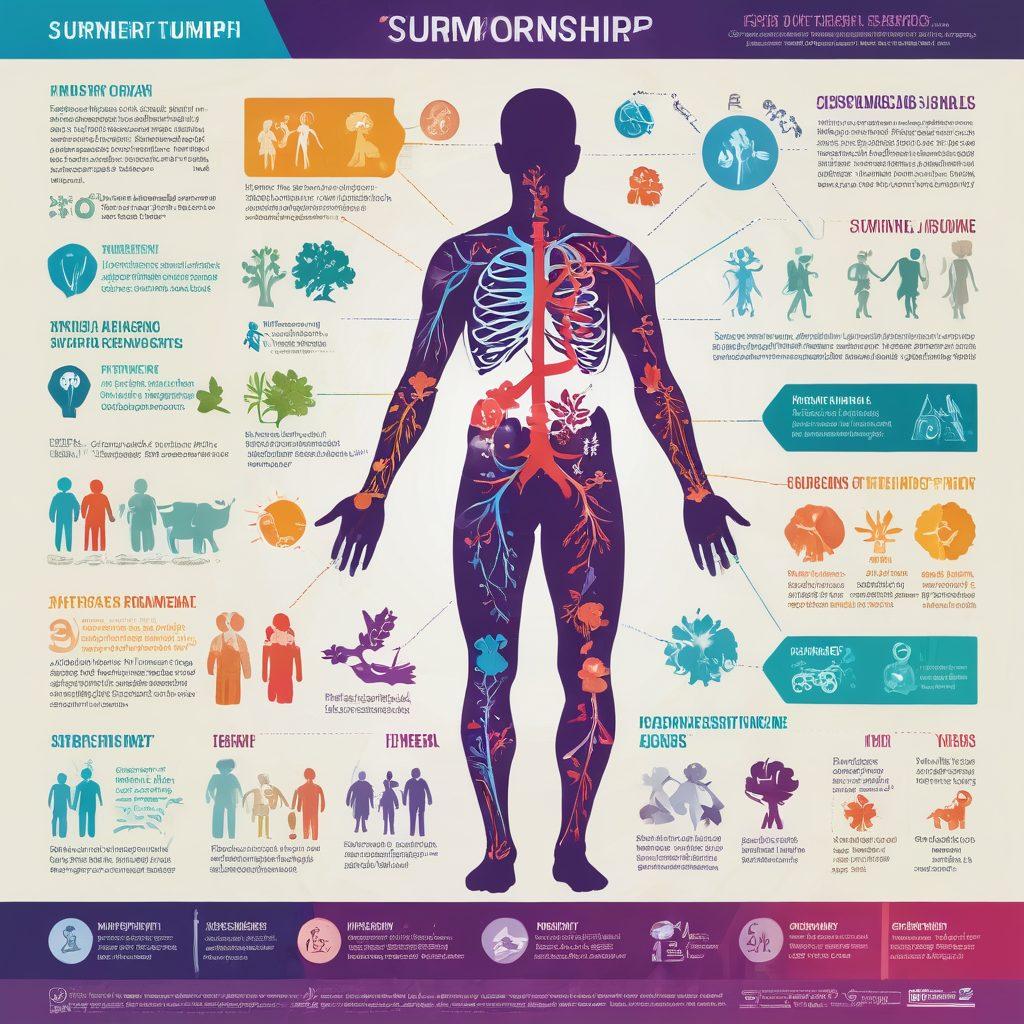
Empowering Your Journey: Comprehensive Insights into Cancer Awareness and Prevention
Navigating the landscape of cancer can feel like embarking on a treacherous journey without a map. Ironically, at the heart of this daunting terrain is a wealth of knowledge that can guide us through. Understanding the complexities of oncology, from tumor development to the nuances of malignancy types like carcinoma, is not just for medical professionals; it’s for everyone. Have you ever thought about how cancer awareness and prevention could change someone’s life? Let's explore together the key insights and strategies that not only educate us about cancer but also empower us to take charge of our health.
Imagine you’re facing the prospect of a neoplasm. This is undoubtedly a terrifying thought, yet knowledge is your best armor. By proactivity engaging with cancer research, you can discover how symptoms manifest and what to watch for in terms of warning signs. Patient education is crucial, as it transforms fear into understanding. Are you aware of the subtle signs that could indicate cancer? Taking a moment to reflect on our lifestyle and overall well-being is the first step towards prevention. Incorporating lifestyle changes for cancer patients is more than just a suggestion; it’s a necessity, and it might very well save a life.
The journey doesn't end with knowledge; it begins there. As we delve deeper into cancer treatment options like chemotherapy and radiation therapy, we must recognize the emotional journey these choices entail. Have you ever imagined the strength it takes to be part of a support group? These gatherings serve as vital healthcare resources for those affected by cancer—whether directly or indirectly. They provide a unique environment where survivorship stories are shared, and souls are uplifted. Plus, you might learn about alternative medicine or clinical trials that could offer new avenues of hope in the fight against this disease.
It’s often said that prevention is better than cure, but what does that really mean in practical terms? Integrating holistic approaches into our daily lives can dramatically lower our risk factors. How about incorporating mindfulness practices or nutritious diets that focus on cancer prevention? It’s astonishing how a rooted understanding of one’s health can empower individuals to make safer choices. The road to prevention often involves small, manageable steps rather than overwhelming leaps. What’s one simple change you can make today that could benefit your health?
In our journey through the complex world of cancer, the notion of patient advocacy cannot be neglected. By aligning with advocacy groups that focus on cancer awareness, we not only learn more, we also champion a cause that uplifts many. The future of oncology hinges on our collective efforts—research, education, and support must go hand-in-hand. Each small act of awareness contributes to the larger picture. Remember, it is you who holds the compass guiding us through this landscape of uncertainty. What’s your next step towards empowerment in your cancer awareness journey?
Understanding Oncology: From Tumor Types to Treatment Options for Enhanced Survivorship
Understanding oncology is like embarking on a journey through an emotionally charged landscape where science, hope, and resilience intersect. It encompasses not just the study of tumors, but also the broader mission of cancer awareness and prevention. In today’s society, where cancer impacts nearly everyone in some way, it's vital that we shake off the stigma and transform our approach into one that inspires knowledge and proactive measures. So, what does it mean to understand oncology, and how can it empower us in the fight against malignancy?
First and foremost, oncology is the branch of medicine dedicated to diagnosing and treating cancer, which can manifest in various forms such as carcinoma and neoplasms. This complexity is why learning about the different tumor types is crucial. Did you know that there are more than a hundred types of tumors? Each has unique characteristics and treatment options that can significantly influence survivorship. As we navigate this labyrinth, we learn that understanding the distinctions among these tumors is the first step in advocating for our health. What if knowing the symptoms of a specific tumor type could save a life?
The treatment landscape for cancer is as diverse as the diseases themselves, ranging from traditional options like chemotherapy and radiation therapy to innovative approaches like clinical trials and alternative medicine. With cancer research continuously evolving, new therapies offer fresh hope to patients. Imagine a world where survival rates rise not just due to advancements in medicine, but also because of informed patients who embrace these changes and engage in their treatment discussions. The encouragement to seek out patient education, understand treatment options, and inquire about support groups is paramount. How can we arm ourselves with knowledge to combat our fears about treatment side effects?
Support groups play a crucial role in this journey, creating a community of understanding that no patient should face alone. Whether it's a conversation about lifestyle changes for cancer patients or sharing stories of hope, these groups foster a sense of belonging and offer practical coping strategies. Did you know that emotional well-being is often as important as physical treatment? Patients who actively participate in their care and seek holistic approaches tend to experience improved outcomes. What steps can you take to become an active participant in your health journey?
In closing, the journey through oncology illuminates a path not just of struggles, but of strength and unity in the face of cancer. As we advocate for ourselves and others, we must harness cancer awareness and prevention as guiding lights alongside our healthcare resources. By exploring treatment options, sharing cancer symptoms, and advocating for changes in lifestyle, we can pave the way for enhanced survivorship and well-being together. What strides will you take today to understand oncology and support those navigating this intricate journey?
The Power of Awareness: How Lifestyle Changes and Support Systems Can Transform Your Cancer Journey
In the intricate landscape of oncology, awareness isn’t just a buzzword; it’s the beacon guiding patients, families, and communities toward hope and healing. Imagine this—standing at the crossroads of knowledge and ignorance, the path you choose can significantly impact your cancer journey. From understanding the signs of malignancy to engaging in proactive lifestyle changes, the power of awareness unfolds a myriad of opportunities for not just prevention, but transformation. How confident are you in recognizing the cancer symptoms that could ultimately lead to early detection? The answer might just change the trajectory of your health.
Let’s talk about the transformative role that lifestyle changes play in cancer prevention. Ever heard the phrase, 'You are what you eat?' This rings profoundly true, especially for those navigating the complexities of neoplasm and carcinoma. By swapping low-nutrient snacks for wholesome, vitamin-rich foods, you’re not just making a meal choice; you’re fortifying your body against potential threats. Engaging in physical activities and managing stress effectively can also enhance overall well-being. Picture this: a morning run soaking in the sun, or perhaps a cozy evening with a good book—these simple activities contribute remarkably to your health.
Moreover, a robust support system can be a game-changer in any cancer journey. Surrounding yourself with friends, family, or support groups creates a nurturing environment where shared experiences ease the burden of isolation. As the saying goes, 'A problem shared is a problem halved.' Have you considered connecting with patient advocacy groups? These organizations not only provide emotional support but also educate patients on cancer research, treatment options like chemo and radiation therapy, and available healthcare resources. The strength found in companionship can be uplifting when navigating the often-bumpy road of treatment choices and options.
But let's not ignore the vital role of patient education and awareness in making informed decisions. The more you understand the complexities of your diagnosis—whether it be a tumor or a specific type of carcinoma—the better equipped you become to engage meaningfully with healthcare providers. In the age of information, countless health blogs and online platforms offer a wealth of knowledge on alternative medicine, holistic approaches, and even clinical trials. What if the key to your treatment was just a click away? Take the time to explore various resources and empower yourself with information that can drive your cancer journey forward.
Finally, let’s ponder on survivorship and the power of resilience. Cancer survival isn’t merely about ‘beating’ the illness; it’s about thriving in the aftermath. As you emerge from treatment, whether through traditional means or alternative therapies, remember that your journey doesn’t end there. Engage in survivor groups, share your story, and be that voice of hope for those still grappling with their cancer diagnosis. After all, your experience could ignite the spark of awareness in someone else. How will you contribute to the ever-evolving narrative of cancer awareness and prevention? Together, we can rewrite what it means to navigate cancer, turning challenges into a powerful testament of strength and community.